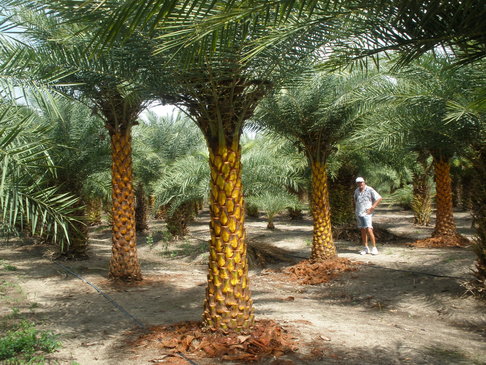
A cold snap can leave a Sylvester palm looking worse than it really is. Patience matters more than quick cuts. This guide covers what to look for, what to do next, and when to call for help.
Why Cold Damage Looks Worse Than It Is
Fronds that turn brown after a cold night can look alarming. Often the damage is only on the outer leaves. The central bud, called the spear, is what keeps the palm growing. Careful checks over the next few weeks tell you much more than the first look. Give the palm time to show what it can recover.
Do Not Rush to Prune
Many growers leave damaged fronds in place for a while. Brown fronds can shield the crown from more cold. Cutting them too early can expose the center to the next cold night or to strong sun. Wait until the palm shows new growth or until the weather settles. Then remove only the fronds that are fully dead and hang loose. Use clean, sharp tools and cut close to the trunk without cutting into it.
Check the Spear First
The spear is the new leaf that grows up from the center of the crown. Look at it gently. A healthy spear is firm and green or pale green, and it keeps growing. A spear that feels soft or mushy, or that has a sour smell, may show more serious damage. Do not pull at the spear. A quick look is enough. Take photos every week or two to track changes.
Look at the Crown and Trunk
Scan the trunk and crown for dark or wet areas. Light scarring on the outer layer can be normal. Soft spots, oozing, or a dark, wet center are more serious. Note where the damage sits and how far it reaches. A clear description helps a grower decide what to do next.
Watering After the Cold
Water normally when the weather is dry. Cold stress can change how fast the soil dries, so check the soil with a finger before you water. Avoid soggy soil, which can cause more problems than a short dry spell. If the palm was planted recently, keep the watering schedule going. After planting, water daily or every other day for the first two weeks, and adjust for rain.
Feeding Once the Palm Recovers
Resume a regular feeding plan once the palm shows steady growth. Fertilize in spring, summer, and early fall with a slow-release fertilizer. Look for a blend with manganese, magnesium, potassium, iron, and copper sulfates. Follow the label directions. If the palm still looks stressed, ask for advice before you apply anything new.
Planting Site Matters
Cold damage is often worse in exposed, windy spots and in low areas where cold air settles. If your palm sits in an open area, think about some shelter for future winters. Plant on ground that drains well, and keep the trunk above the soil line. Our palms are field-grown in Vero Beach, not containerized, so the root system has room to develop. For planting steps, read our guide to planting and first-year care.
If a Palm Is Still Waiting to Be Planted
Plant as soon as possible after delivery. If planting must wait, keep the root wrap on and place the palm in a shady, well-ventilated spot. Do not let it sit in full sun or in a spot where water pools. Check on it during cold nights, and call if you have questions about its condition before you plant.
Signs That Mean Call for Help
- The spear pulls out easily or looks soft and dark
- The trunk feels soft, mushy, or oozes
- The crown stays wet and dark after the weather dries
- No new growth appears once warm weather returns
- The palm declines suddenly after planting
If you see any of these, call 772-778-3006 for advice. Share your photos and the planting date. Good information makes it easier to tell what is normal and what needs attention.
Choosing a Replacement Palm
Sometimes a palm does not recover. If you need a replacement, visit the farm and walk the rows. Customers can pick the exact palm they want, and it is wise to call ahead before visiting. Delivery is available for every order. The crew root-wraps the palm in the field, loads it with a loader onto a trailer or flatbed, and delivers it to your site. Call with your planting address to request a delivery quote.
About the Sylvester Palm
Sylvestris Tree Farms grows Phoenix sylvestris Robusta, also called the Sylvester palm, India date palm, or silver date palm. Palms are graded as specimen and Florida Fancy. Sizes run from 7 feet overall height up to 9 feet of clear trunk, and some specimens are over 20 feet overall height. Our farm describes this palm as cold-hardy, disease and pest resistant, wind tolerant, and low maintenance once established. For more background, read our guide on cold-hardy palm trees in Florida.
Want help deciding what your palm needs after a cold snap? Call 772-778-3006 to talk with Jerry. Owner Jerry meets customers in the field, so call ahead if you want to visit the farm.
Frequently Asked Questions
Should I cut off brown fronds right after a cold snap?
Usually wait. Brown fronds can shield the crown from more cold. Remove only fronds that are fully dead and hang loose, after the palm shows new growth or the weather settles.
How do I know if the spear is still alive?
A healthy spear is firm and green or pale green, and it keeps growing. A soft, mushy, or sour-smelling spear may show more serious damage. Call for advice if you are unsure.
How often should I water a newly planted palm?
After planting, water daily or every other day for the first two weeks, and adjust for rain. Check the soil with a finger before each watering.
Can I visit the farm to pick a palm?
Yes. Customers can visit, walk the rows, and pick the exact palm. Call ahead before visiting.