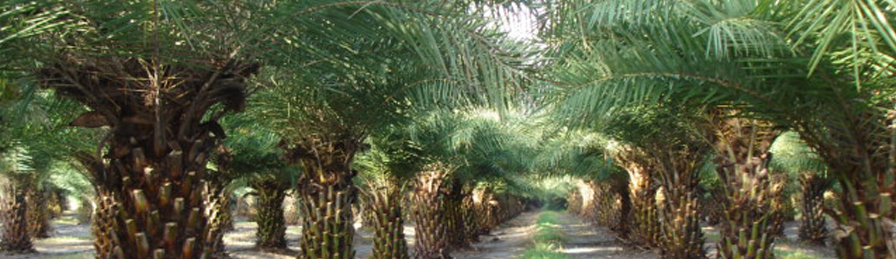
Florida landscapes lean heavily on palms, but not every palm species handles a real cold snap well. Even in a state known for warm weather, freezes happen — and when they do, cold sensitivity can mean serious damage to fronds, trunks, and in bad cases, the whole tree. If you’re planning a landscape that needs to hold up through Florida’s occasional cold events, it’s worth understanding which palms are actually built for it.
The Sylvester Palm’s Cold Tolerance
The Sylvester palm — botanically Phoenix Sylvestris, also called the India date palm or silver date palm — is cold-hardy below 20°F. That puts it in different territory than most of the palms commonly planted in Florida landscapes, many of which show stress or damage well before temperatures drop that low. For a landscape in a region that sees occasional hard freezes, that cold tolerance is a real practical advantage, not just a nice-to-have.
Why Cold-Hardiness Matters for Your Landscape
A palm that struggles in the cold isn’t just an aesthetic risk — it’s a long-term investment risk. Frond burn, trunk damage, and dieback from a cold event can set a landscape back years, especially with a specimen-sized tree that took a long time to grow. Choosing a species with genuine cold tolerance from the start reduces that risk considerably, particularly for properties in the northern half of the state or anywhere that sees occasional freezing nights.
More Than Just Cold Tolerance
Cold-hardiness is one reason the Sylvester palm holds up well in Florida landscapes, but it’s not the only one. The variety is also disease- and pest-resistant, wind-tolerant, and low-maintenance once established — a combination that matters as much in a hurricane-prone coastal landscape as it does during an occasional cold snap. For property owners and landscape designers weighing long-term durability against upfront cost, those traits add up.
The Robusta Difference
At Sylvestris Tree Farms, we grow the Robusta variety of Phoenix Sylvestris specifically — field-grown in Vero Beach since 2004. Robusta carries a larger caliper, more silver coloring in the fronds, and a fuller head than standard sylvestris, on top of the same cold-hardy characteristics that make the species a strong fit for Florida. Our inventory runs from 7’ overall height up to 9’ of clear trunk, with specimens over 20’ tall for buyers who want serious mature presence right at installation.
Choosing a Cold-Hardy Palm for Your Project
If cold tolerance is a priority for your landscape — whether you’re a homeowner planting a single specimen or a landscape designer specifying palms for a larger project — it’s worth visiting the farm to see the Sylvester palm in person. Learn more about our inventory on The Palms page, and see the planting and care guide for how to get one established once it’s in the ground.