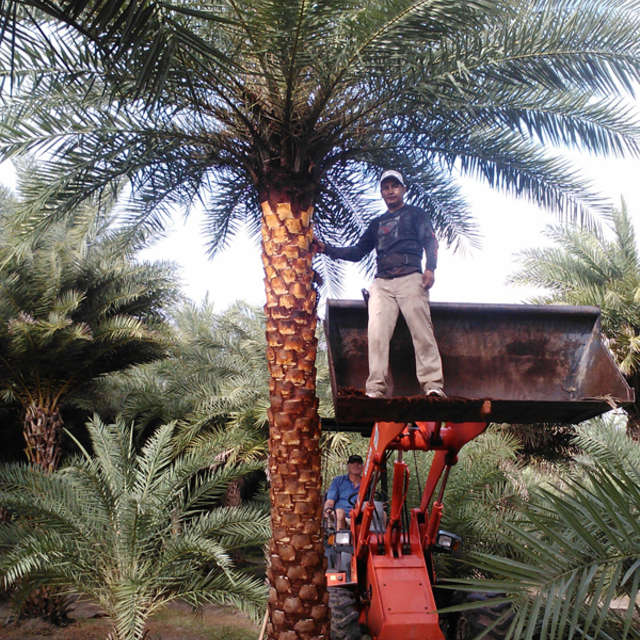
After a storm, a Sylvester palm can look worse than it really is. Broken fronds and a bent crown are alarming, but many palms recover with simple care. Check the root ball, watch the water, remove only the damage that is clearly dead, and wait before any heavy pruning.
What Should You Check First?
Walk around the palm and look at the whole plant. Start at the base. Look for cracks in the trunk, soil that has heaved up, and any movement when you gently push the trunk. Then look at the crown, where the new fronds come out. Note any broken fronds, bent spears, or bark that has torn away.
Take a few notes or photos before you touch anything. A clear record helps you see changes over the next few weeks.
How Do You Check the Root Ball?
The root ball is the most important part to check. If the palm wobbles in the soil, the roots may be loosened. Gently rock the trunk and feel for movement near the base. A small amount of give can be normal after strong winds, but a palm that moves a lot needs attention.
Dig a small test hole near the base, if it is safe to do so. Look for firm, light-colored roots. Dark, mushy roots or a sour smell are signs of trouble. If you find these, call for help before you do anything else.
Is the Palm Leaning or Tilted?
A palm that leans after a storm may have shifted in the soil. First, check whether the lean is growing worse over days. If it is, the palm may need support. A simple stake or guy wire can help hold the trunk upright while the roots settle.
Do not try to force a leaning palm straight with heavy equipment. Pulling hard can damage the roots and tear the trunk. Ask an experienced grower to look at the palm if you are not sure how to brace it.
How Much Water Does a Storm-Damaged Palm Need?
Water matters a lot after a storm. Heavy rain can soak the soil, while wind can stress the palm and dry out the root zone. Check the soil around the base with your finger. If the top few inches feel dry, water the palm deeply.
For a newly planted palm, water daily or every other day for the first two weeks. For a mature palm, water deeply and less often. Avoid soaking the soil every day, since standing water can damage roots. Good drainage is just as important as water.
Should You Remove Broken Fronds?
Yes, but only the fronds that are clearly broken or dead. Cut them off cleanly at the base, close to the trunk, without tearing the bark. Leave any frond that still has green color, even if it looks bent. Those fronds still help the palm make food.
Never remove the central spear or the new growth in the crown. That part is the heart of the palm. If the spear is damaged, ask a professional to check it before you make any cuts.
Why Should You Wait Before Heavy Pruning?
Many people want to clean up the whole palm right after a storm. That is understandable, but heavy pruning can add stress at the worst time. A palm needs its remaining fronds to feed the growing crown. Taking off too many fronds can slow recovery.
Give the palm several weeks to show its new condition. Watch for new growth and healthy color. Once the palm is settled, you can plan a light cleanup of dead material. Save major pruning for later.
What About Trunk Damage?
Look for deep cracks, peeled bark, or sap that keeps running from a wound. Small surface scrapes often heal on their own. Deep damage needs a closer look. If the trunk is split or hollow, the palm may not recover well, and a professional should evaluate it.
Do not paint wounds or wrap the trunk with plastic. Those steps can trap moisture and make the damage worse. Keep the area clean and let the palm grow.
Should You Feed the Palm After a Storm?
Fertilizer is a normal part of palm care, but timing matters. Feed palms in spring, summer, and early fall with a slow-release fertilizer that includes manganese, magnesium, potassium, iron, and copper sulfates. Ask your grower which blend fits your soil and your palm's age.
Right after a storm, avoid heavy feeding if the root zone is still soaked or damaged. Wait until the palm shows steady growth. Then follow the normal feeding schedule.
When Should You Call a Professional?
Some situations need hands-on help. Call a professional if the palm is leaning badly, if the root ball moves a lot, or if the trunk is split. Ask for help if you see a sour smell at the base or if the crown has collapsed. A grower can also help you decide whether the palm should be staked or left alone.
Do not climb a tall palm to prune or inspect the crown on your own. Falling fronds can cause serious injury.
How Does a Sylvester Palm Handle Wind?
We describe Sylvester palms as wind tolerant once they are established. The trunk and fronds can bend in strong gusts. Storms still cause stress, though. Strong wind can loosen young palms, and heavy rain can soften the soil around them.
If you want to learn more about how this palm handles wind, read our guide on Sylvester palm wind tolerance. It explains what to expect from palms in hurricane season.
Our Palms and Planting Care
Our palms are field-grown on our farm in Vero Beach, Florida. They are not containerized. We dig, wrap, and load each palm with care, then deliver it to your site. We also share planting and first-year care guidance, so your palm has a strong start.
After a storm, a palm often benefits from the same steps we recommend at planting. Keep the roots moist, avoid overwatering, and give the palm time to settle. You can read more about our planting and care guidance on our website.
Ready to Talk About Your Palm?
A storm-damaged palm does not always need to be replaced. Check the root ball, water with care, and wait before heavy pruning. If you are unsure what your palm needs, or if you are thinking about a new palm for your site, we can help. Call Sylvestris Tree Farms at 772-778-3006 to request a quote. Bring your planting address, and we will talk through the options.
Frequently Asked Questions
How do I know if a storm-damaged palm will recover?
Check the root ball, the trunk, and the new growth in the crown. If the roots are firm and the crown is still growing, the palm has a good chance. Deep trunk damage or a rotten base needs professional review.
Should I cut off all the broken fronds right away?
No. Remove only fronds that are clearly dead or broken. Leave green fronds and the central spear alone, and wait before any heavy pruning.
How often should I water a palm after a storm?
For a newly planted palm, water daily or every other day for the first two weeks. For a mature palm, water deeply and less often, and let the soil drain well.
Can I stake a palm that is leaning after a storm?
Yes, a simple stake or guy wire can help while the roots settle. Do not force the palm straight with heavy equipment, since that can damage the roots.